What Is a Votive Sacrifice? Conditions and Common Questions
We have gathered what a votive sacrifice is, the conditions it must meet and answers to the most common questions in one guide, based on the explanations of Diyanet.
In short: what is a votive sacrifice?
A votive sacrifice (nazr) is when a person makes it binding on themselves to offer a sacrifice for the sake of God. Once the vow is made, the sacrifice becomes obligatory; to fulfil it the animal must be slaughtered, and giving its price instead is not enough. The meat goes to people in need; the person who made the vow and those they are responsible for may not eat it.
What is a votive sacrifice, and what kinds are there?
A vow (nazr) means making binding on yourself, for the sake of God, an act of worship that is not otherwise required. For someone who vows to offer a sacrifice, that sacrifice becomes obligatory.
Conditional vow
Tied to a wish coming true, such as "If my patient recovers, I will offer a sacrifice." It is offered once the wish comes true.
Unconditional vow
Made without a condition, such as "I will offer a sacrifice for the sake of God." It becomes a debt as soon as it is made.
What are the conditions of a votive sacrifice?
The animal must meet the same conditions as an Eid al-Adha sacrifice:
| Animal | Minimum age |
|---|---|
| Sheep | 1 year (a large lamb over 6 months is also accepted) |
| Goat | 1 year |
| Cattle, buffalo | 2 years |
| Camel | 5 years |
The animal must be healthy, not blind, clearly lame or extremely thin. See which animal can be a votive sacrifice for details.
How heavy should a votive sacrifice be?
There is no religious weight requirement; the age and health conditions are enough. Weight sets the price and the amount of meat. See votive sheep and rams for options.
Can a votive sacrifice be slaughtered at home?
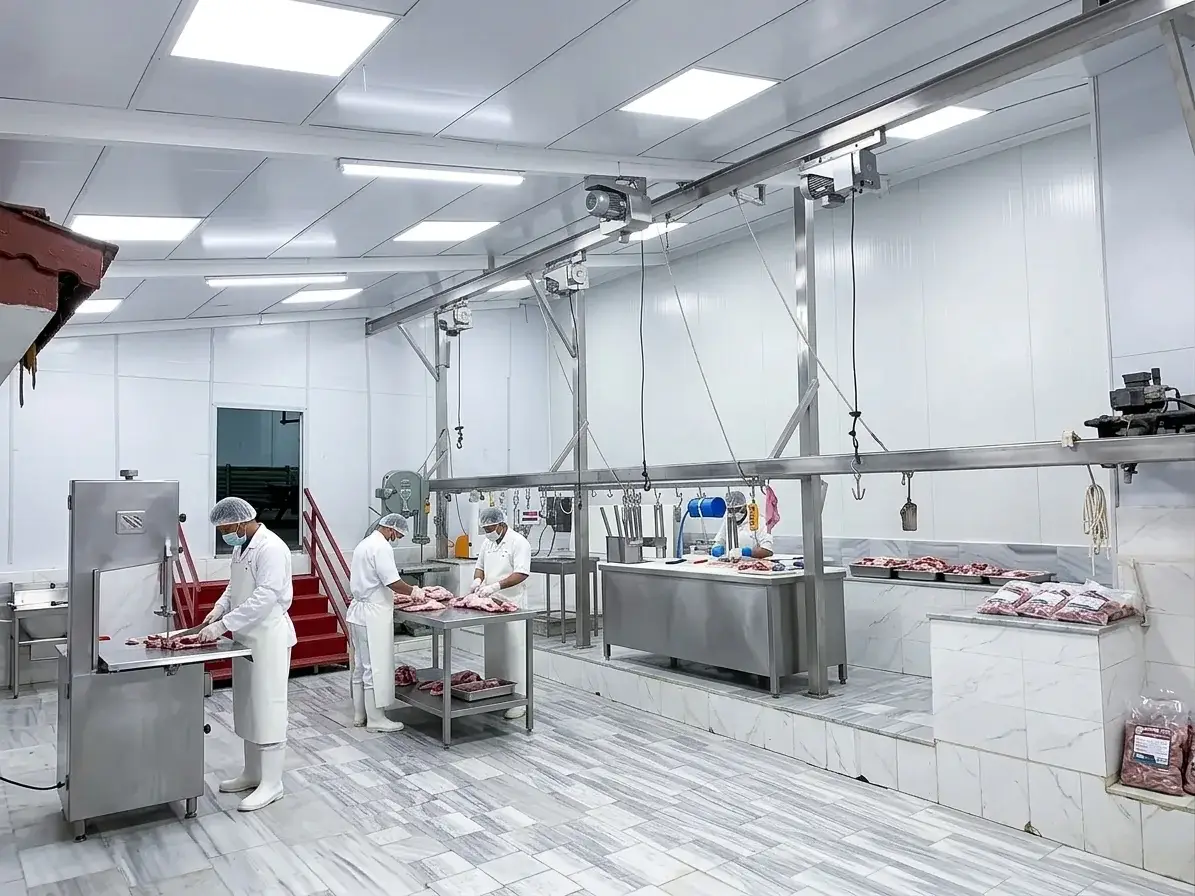
Religiously, there is no required place for slaughter. For the animal's welfare, hygiene and public health, however, it is best done at a proper slaughter place, and local authorities also ask that slaughter be done in designated places. If you cannot do it yourself, you can use our slaughter service.
Is there a prayer for a votive sacrifice?
No special prayer is required. At the moment of slaughter, God's name is mentioned by saying "Bismillahi Allahu akbar." The intention is made before slaughter, and reciting verses 162–163 of Surat al-An'am ("Inna salati wa nusuki…") and making a prayer is considered good.
How many people should the meat go to?
There is no set number. All the meat can go to one person in need or be shared among several. The person who made the vow, their spouse, children, grandchildren, parents and grandparents may not eat it. See who can eat votive sacrifice meat.
What happens if a votive sacrifice is not offered?
A vow is a debt: it remains until the sacrifice is offered and should be fulfilled as soon as possible. Someone who may die before fulfilling it is advised to leave it in their will.
For special cases, such as a vow tied to a specific day that has passed, we recommend asking your local mufti's office.
Can money be given instead of a votive sacrifice?
No. Someone who vowed to offer a sacrifice fulfils the vow only by slaughtering it. Giving the price to people in need counts as charity but does not settle the vow.
If you cannot attend, you can appoint a proxy: we slaughter on your behalf and deliver the meat to people in need. See votive sacrifice by proxy.
Frequently asked questions
When should a votive sacrifice be offered?
For a conditional vow, once the wish comes true; for an unconditional vow, without delay after making it. There is no need to wait for Eid.
How old must the animal be?
Sheep and goats at least 1 year, cattle and buffalo at least 2, camels at least 5. A large lamb over six months is also accepted.
Do I have to slaughter it myself?
No. A votive sacrifice can be done by proxy; we slaughter on your behalf and send you the video.
Can a votive sacrifice be a cattle share?
Yes. Up to seven people can share one head of cattle, and a share can be taken with the intention of a vow.
Related pages
Let us help you fulfil your vow
Call or message us on WhatsApp to choose an animal, arrange slaughter or donate at our centre in Küçükçekmece.
The religious information in this article is based on the general statements of the High Board of Religious Affairs of the Presidency of Religious Affairs of Türkiye (Diyanet), following the Hanafi school. For personal circumstances, please consult a qualified religious authority.