Votive Sacrifice Meat: Who Receives It and Who Cannot Eat It?
A votive (nadhr) sacrifice follows different rules from the Eid al-Adha sacrifice. Based on Diyanet's statements, we explain who should receive its meat, who may not eat it and what to do if it is eaten by mistake.
Short answer: who receives votive sacrifice meat?
According to Diyanet's explanation based on the Hanafi school, votive sacrifice meat is given to people in need. The person who made the vow, their spouse, parents and grandparents, children and grandchildren, and people considered wealthy in religious terms may not eat it. It can be given to other relatives, neighbours and institutions that deliver it to those in need.
What is a votive sacrifice?
A vow (nadhr) is when a person voluntarily takes on, for the sake of Allah, an act of worship that is not normally obligatory for them. Someone who says “If my wish comes true, I will offer a sacrifice” fulfils that promise when the wish comes true. The purpose of this sacrifice is for its reward to reach those in need, so its meat is used differently from the Eid sacrifice. See our votive sacrifice service for selection and slaughter.
Who may not eat votive sacrifice meat?
According to Diyanet, the following people may not eat from a votive sacrifice. In Islamic jurisprudence, parents and their ascendants are called usul, and children and their descendants furu.
The person who vowed
The person who made the vow.
Their spouse
The wife or husband of the person who vowed.
Ascendants (usul)
Mother, father and grandparents.
Descendants (furu)
Children and grandchildren.
The wealthy
People considered wealthy in religious terms (owning the nisab amount).
Who can receive votive sacrifice meat?
Apart from the people above, anyone in need may receive it. Being a relative is not in itself an obstacle; what matters is whether the person is an ascendant or descendant, and whether they are in need.
- Relatives in need: siblings, uncles, aunts and their children may receive it if they are in need, since they are not ascendants or descendants.
- Neighbours and acquaintances: if they are not considered wealthy.
- Those in need through institutions: mosques, cemevis, congregations, associations and foundations deliver the meat to people in need.
What if the person who vowed eats the meat?
According to Diyanet's statements, if the person who vowed, or anyone who may not eat it, eats from the votive meat, the value of the amount eaten should be given to those in need as charity. So it is important to be careful about who receives the meat and to keep it separate at home.
If votive meat and Eid sacrifice meat are stored in the same house, label the packages separately so the votive meat does not end up on the family table by mistake.
The skin and other parts of a votive sacrifice
Not only the meat but also the skin and other parts follow the same rule and are given to those in need. The slaughter fee is not paid with the meat or skin of the sacrifice. At Karaca Adak, slaughter is free of charge.
Votive meat vs. Eid al-Adha meat
| Topic | Votive sacrifice | Eid al-Adha sacrifice |
|---|---|---|
| Can the owner eat it? | No | Yes |
| Can the family eat it? | Spouse, ascendants and descendants may not | Yes |
| Can it be given to the wealthy? | No | Yes, it may be offered |
| Use of the meat | All of it to those in need | Dividing into three is recommended, not required |
| Time of slaughter | When the condition is met; not limited to Eid | After the Eid prayer until sunset on the 3rd day of Eid |
How does a votive sacrifice donation work at Karaca Adak?
If you cannot distribute your votive sacrifice yourself, you can have it slaughtered by proxy and its meat delivered directly to those in need:
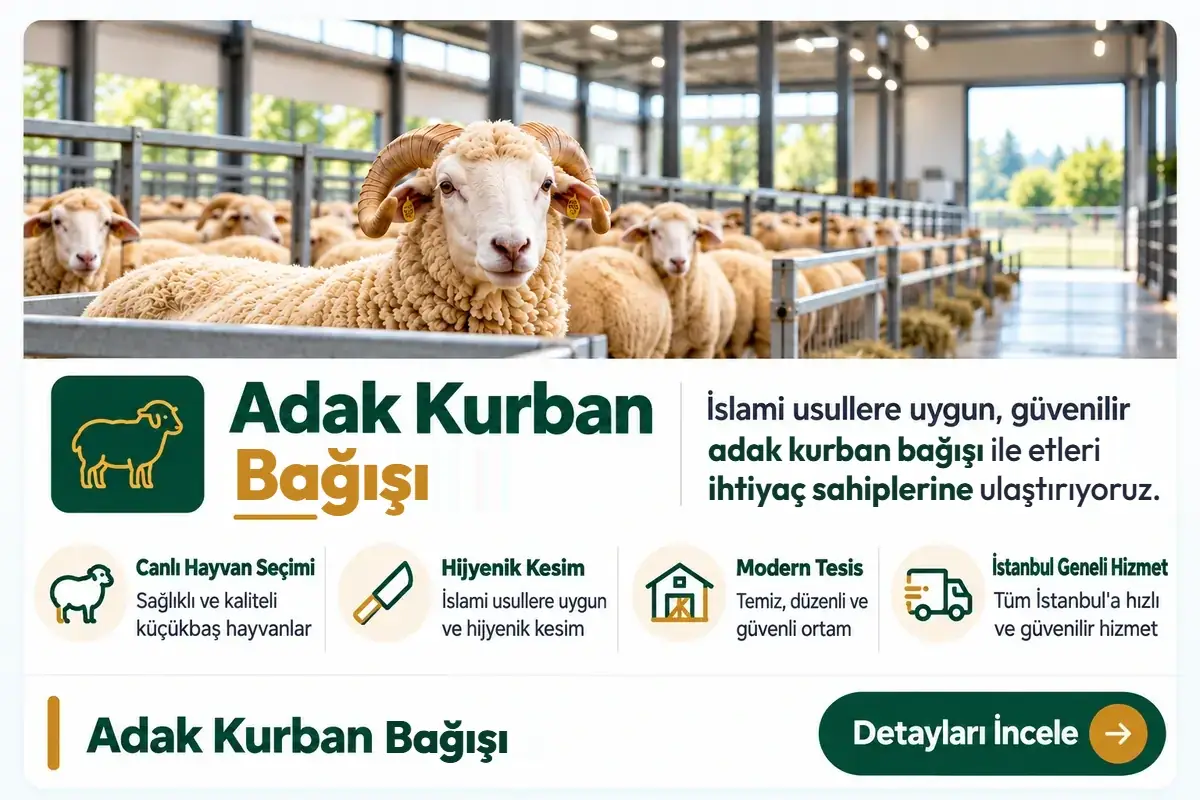
Animal selection
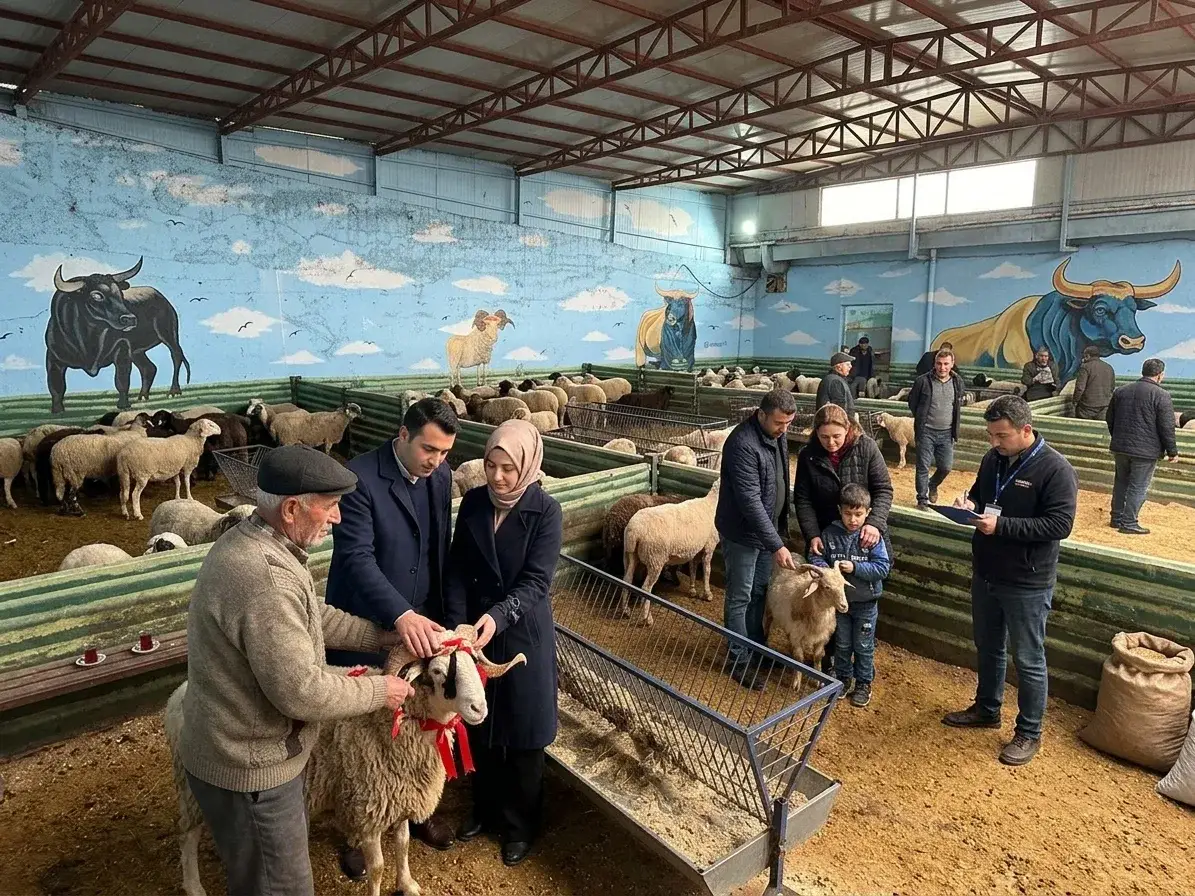
We choose your sheep, goat or cattle together at our center in Altınşehir.
Slaughter, your way
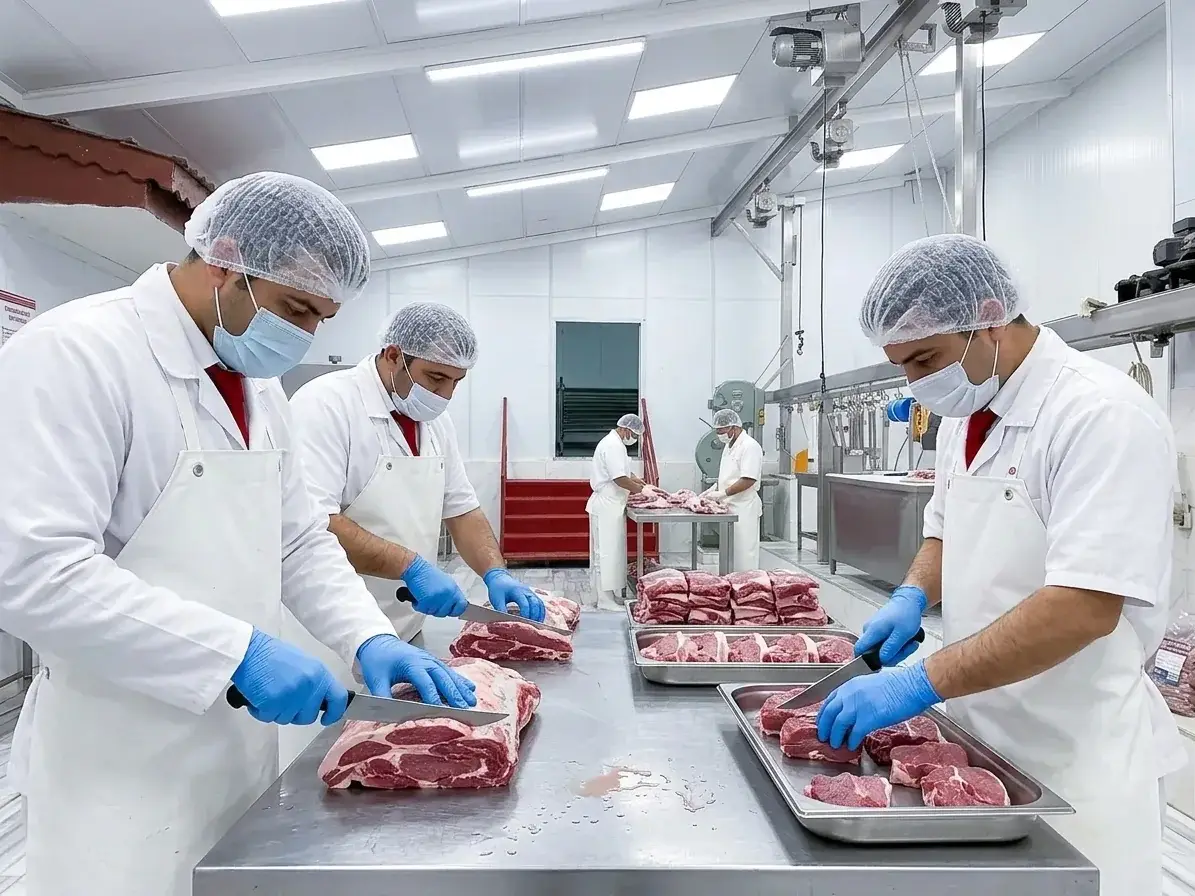
Our team slaughters your sacrifice with your proxy. You can attend, or have an on-site slaughter. If you cannot come, we film the slaughter and inform you by video.
Delivery
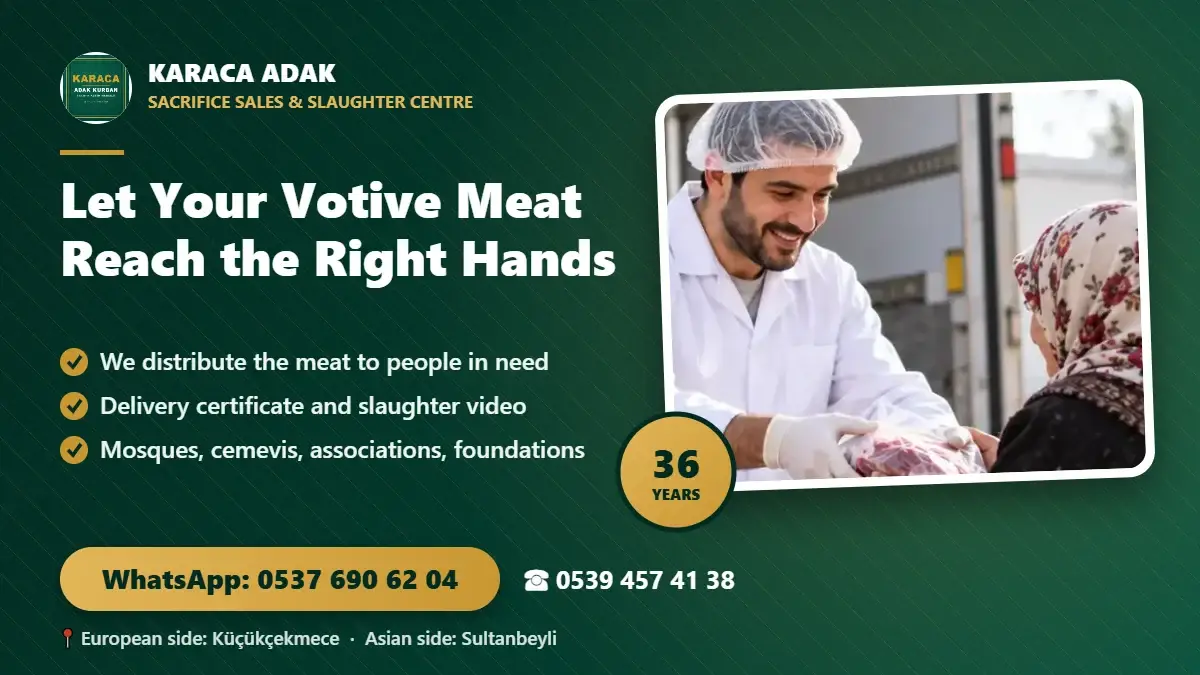
We deliver the meat to mosques, cemevis, congregations, associations and foundations, which pass it on to those in need.
Documentation
We document the delivery with a delivery certificate and the slaughter with a video, so you can verify your donation.
Frequently asked questions
Can siblings eat from a votive sacrifice?
Siblings are not ascendants or descendants. Votive meat may be given to siblings who are in need and not considered wealthy.
Can it be given to a daughter-in-law or son-in-law?
They are not ascendants or descendants of the person who vowed. It may be given if they are in need and not considered wealthy. When unsure, consult a religious authority.
Can the meat be cooked and served as a meal?
Yes, it can be cooked and served to those in need, as long as people who may not eat votive meat do not eat it.
Is donating the price of the animal enough?
No. For someone who vowed to offer a sacrifice, donating only its price does not fulfil the vow. The animal must be slaughtered; you can do this by proxy.
How can I know the meat reached those in need?
At Karaca Adak we document the delivery to institutions with a delivery certificate and the slaughter with a video, and share them with you.
Related pages
Let's plan your votive sacrifice together
Contact our team about choosing the animal, the slaughter method and delivering the meat to those in need.
The religious information in this article is based on the general statements of the High Board of Religious Affairs of the Presidency of Religious Affairs of Türkiye (Diyanet), following the Hanafi school. For personal circumstances, please consult a qualified religious authority.